Identifying the Right Time for Necessary Actions Post-Storm
Storms can leave behind significant damage, especially to trees. While some trees withstand high winds and heavy rain, others may not fare as well. Knowing when to act is crucial in ensuring safety and maintaining property value. Several factors determine whether immediate action is necessary or if observation will suffice. Understanding these elements helps you make informed decisions about your landscape.
Assessing Immediate Hazards
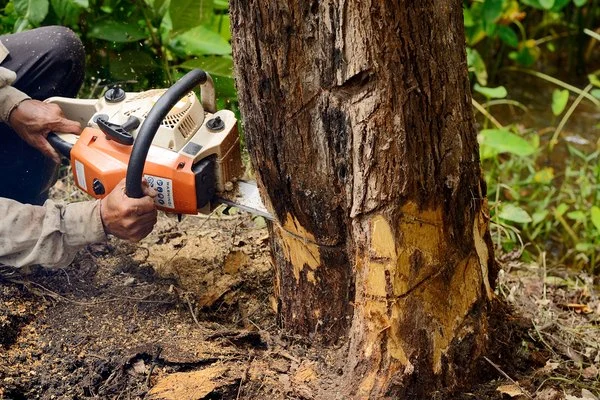
After a storm, it’s vital to check for any immediate dangers posed by damaged trees. Look for large branches that have broken but remain caught in the canopy. These branches can fall without warning and pose significant risks to people and property below. If a tree leans heavily and roots are visible above ground, it’s likely unstable. In such cases, professional assessment might suggest tree removal.
Evaluating Structural Damage
Trees often show clear signs of internal damage following severe weather events. Cracks in the trunk or major limbs may signal structural weakness. Additionally, if a tree has lost more than half of its foliage, it could be too stressed to recover effectively. In these situations, experts recommend considering tree removal as part of the recovery plan.
Signs That Suggest Monitoring Instead of Immediate Action
Not all post-storm tree issues require urgent intervention. Trees with minor branch loss or superficial bark damage generally do not need to be removed immediately. Sometimes, giving these trees time to heal can be beneficial. It’s also important to observe their recovery over weeks or months, assessing any changes in condition.
- Minor leaf or twig loss
- Small cracks that don’t penetrate deeply into the wood
- Bark scarring without deep injury
Understanding Potential Future Risks
Even if immediate hazards aren’t present, some trees may develop issues over time due to storm stress. Symptoms like slow growth or dieback indicate trouble ahead. Continual monitoring allows you to catch signs early, avoiding potential property damage later on.
Consulting Professional Arborists
For complex situations, enlist the help of certified arborists. They provide expert evaluations and advice tailored to your specific circumstances. A professional assessment includes checking the tree’s health, potential risks, and determining whether tree removal or preservation strategies are best suited.
The Cost Factor in Decision-Making
Cost plays a pivotal role when deciding on post-storm actions involving trees. It varies based on tree size, location, and complexity of removal or treatment required. While immediate removals might seem costly upfront, they often prevent higher expenses from future damage.
Expert Recommendations for Careful Consideration
Experts suggest balancing urgency with caution after a storm event. Immediate threats should be addressed swiftly to ensure safety. Meanwhile, non-critical cases allow for strategic planning and consultation with professionals to determine the most appropriate course of action.
Contact Our Team for Expert Guidance
Your property’s safety and beauty are our priorities. Contact us at (218) 779-6586 for expert guidance and support with evaluating your trees’ post-storm conditions. Based in East Grand Forks, MN, we offer reliable services tailored to meet your needs. At B M Junk Removal, our experienced team ensures your landscape remains secure and appealing long after the storm has passed.